Curious if Sunset Park fits your everyday life? Maybe you want a place with real neighborhood flavor, solid commute options, and parks where you can unwind. You also want clear guidance on what homes look like, where to eat, and what to expect day to day. This guide breaks down homes, food, parks, and transit so you can picture your routine and plan your next step with confidence. Let’s dive in.
Where Sunset Park sits
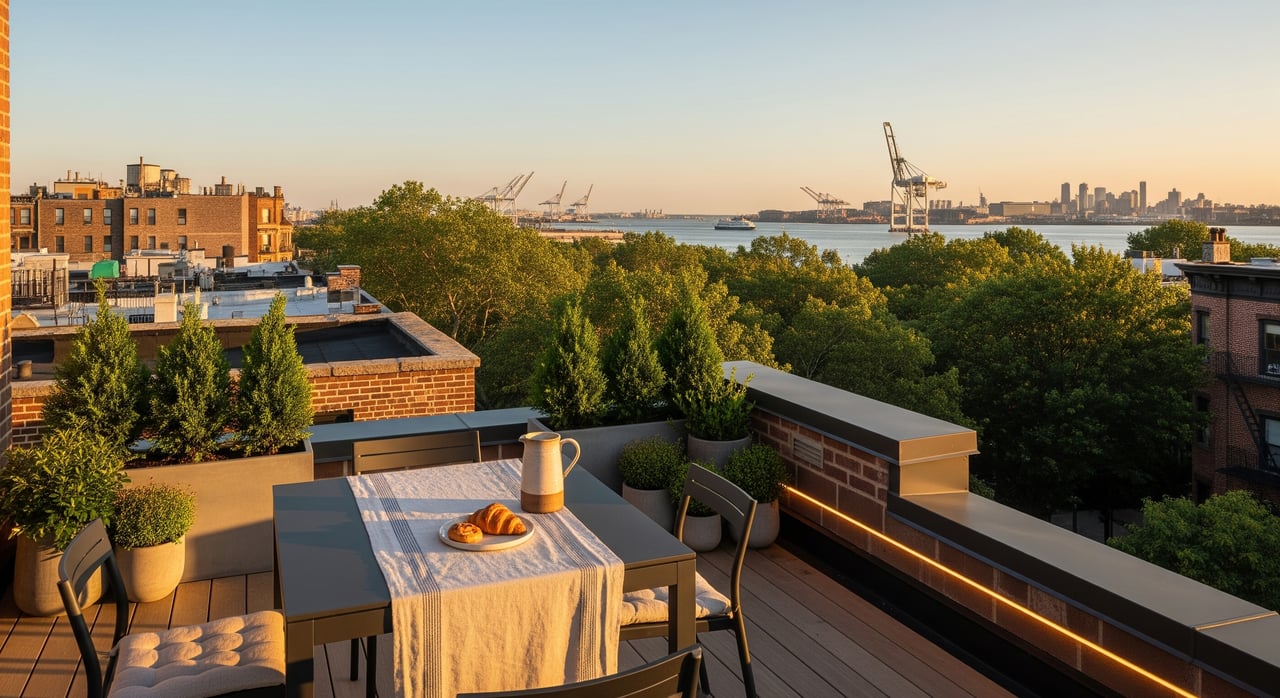
You’ll find Sunset Park on Brooklyn’s southwest waterfront, perched high enough to catch sweeping views of Manhattan and New York Harbor from its namesake park. The neighborhood blends inland residential blocks with a working waterfront and warehouse corridors. It borders Park Slope and Green-Wood to the east and sits north of Bay Ridge and Red Hook. Expect a mix of quiet side streets and busy avenues with shops and restaurants.
Neighborhood feel
Sunset Park is a layered, multicultural community with longstanding Hispanic and Chinese communities alongside other immigrant groups. Spanish, Cantonese, Fujianese, Mandarin, and English are commonly heard, and many storefronts offer bilingual service. Commercial corridors feel lively and bustling. Interior residential blocks tend to be calmer, with rowhouses and low-rise buildings.
Homes you’ll find
Rowhouses and townhouses
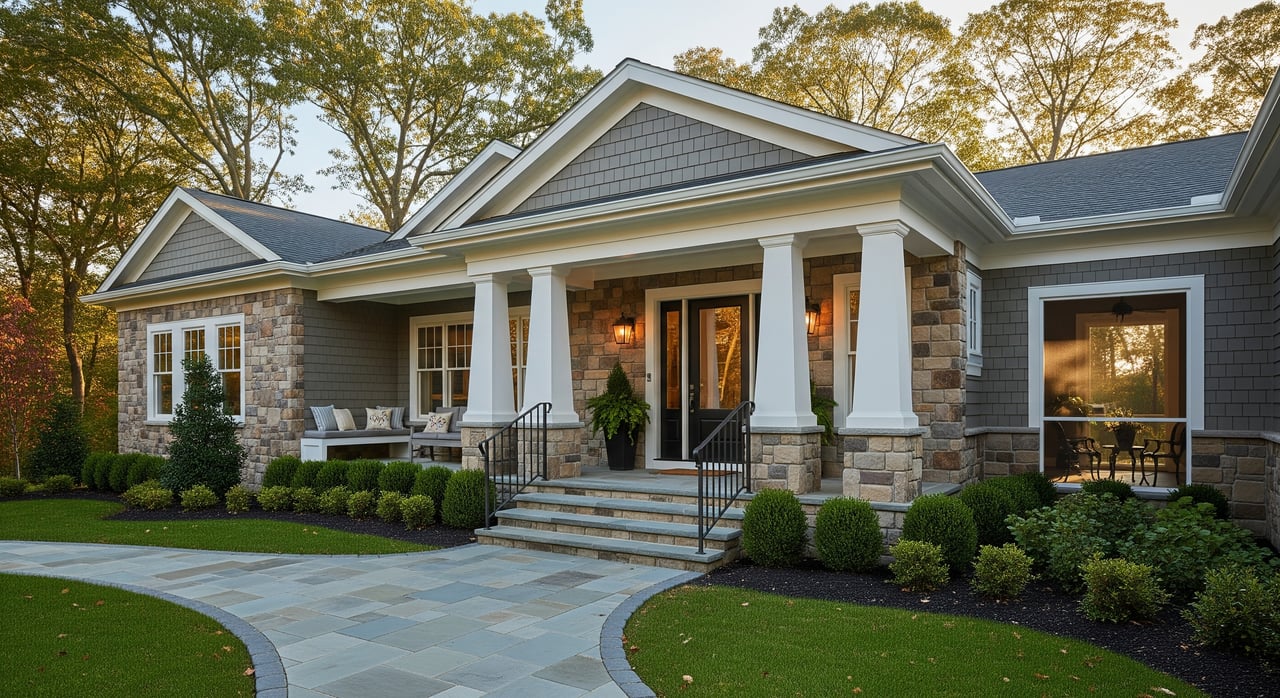
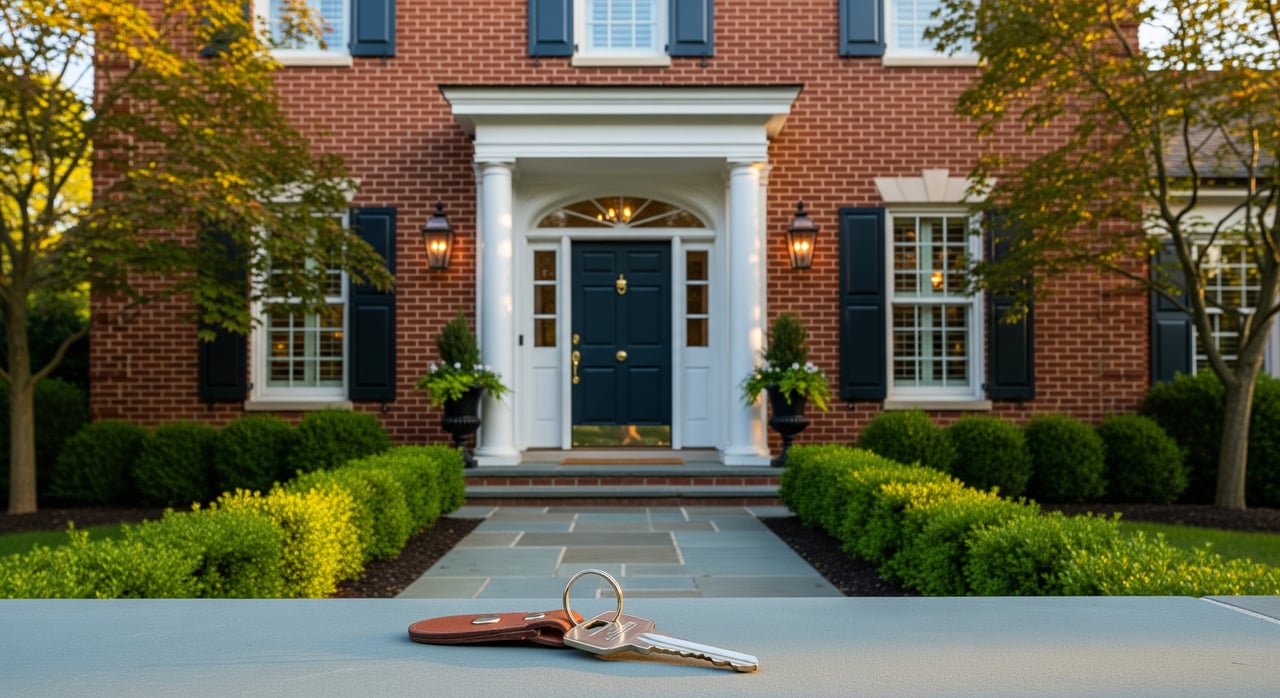
Older two- to three-story masonry rowhouses line many blocks. Some are still single-family, while many were converted to two- or three-family homes. These buildings often feature wood floors and original details on select streets. Layouts vary, so plan to tour a few to compare light, storage, and floor plans.
Walk-up apartments
Pre-war walk-ups, typically 3 to 5 stories, are common. Lower floors can have less natural light, and higher floors are brighter but require stairs. Studios, one-bedrooms, and two-bedrooms are widespread here. Hallway access is standard, and closets may be modest in older layouts.
Mid-rise and newer options
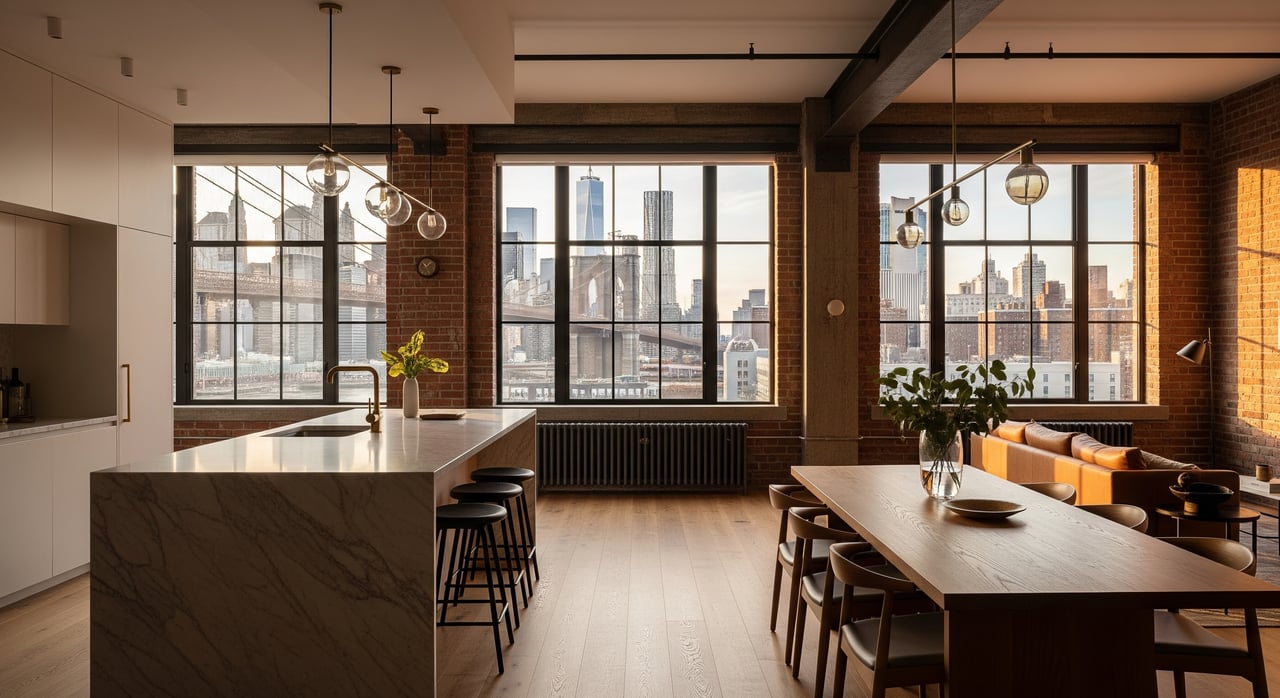
You’ll see some 6- to 10-story elevator buildings along major avenues, plus newer condos and rentals near redevelopment zones. Conversions of former industrial buildings also appear near the waterfront. Newer residences often trade higher rents for more space, modern kitchens, and amenities.
Typical features and layouts
Many older units include smaller kitchens and baths. Expect limited closet space compared with new construction. Modern buildings and recent conversions usually offer larger floor plans and updated finishes. If stairs or noise are concerns, factor that into your search by focusing on elevator buildings or quieter interior streets.
Value and affordability
Sunset Park has seen rising demand and investment, especially around the waterfront and Industry City. Prices have generally climbed faster than some outer-borough areas. Even so, the neighborhood has often been more affordable than prime central Brooklyn spots like Park Slope and Brooklyn Heights. Value varies block by block, so compare listings across a few micro-areas before deciding.
Everyday eats and shopping
8th Avenue’s Chinatown corridor
Along 8th Avenue and nearby blocks, you’ll find a dense stretch of Chinese supermarkets, bakeries, and restaurants. It’s a go-to for fresh produce, specialty ingredients, and quick bites. Many businesses offer bilingual service.
5th Avenue’s Latin flavors
5th Avenue and surrounding streets feature taquerias, bakeries, bodegas, and full-service Latin American restaurants. You’ll see everyday staples and family-run spots that keep the neighborhood well fed. Weekend crowds are common on popular blocks.
Industry City choices
Industry City on the waterfront brings food halls, small manufacturers, and artisanal shops. It adds newer cafés and restaurants to the mix and hosts events that draw visitors from across the city. It’s also a convenient place to explore multiple cuisines in one stop.
Day-to-day errands
You’ll find a mix of chain and independent supermarkets, pharmacies, discount stores, and specialty grocers. Coffee shops and bakeries are sprinkled throughout. Most errands can be done on foot, especially near the main corridors.
Parks and fresh air
Sunset Park, the neighborhood’s crown jewel, sits on a hill with postcard skyline views. It includes playgrounds, sports courts, and plenty of green space for picnics and meetups. Green-Wood Cemetery nearby offers peaceful walking paths and historic scenery. The waterfront features evolving public spaces and promenades, plus small community gardens scattered through the area.
Getting around
Subway and buses
Multiple subway stations along major avenues connect you to Downtown Brooklyn, Manhattan, and southern Brooklyn. Local and express options help shorten rides, and buses fill in crosstown gaps. Your experience will depend on how close you are to a station and which line you use.
Ferry options
Nearby waterfront locations offer NYC Ferry service on certain routes. It can be a scenic and practical alternative for some commutes to Manhattan. Always check current schedules and stops as routes can change.
Biking and walking
Commercial corridors and park areas are very walkable. Bike infrastructure has expanded over time, and Citi Bike has added stations in phases. Confirm up-to-date bike lanes and dock locations if cycling is part of your routine.
Commute times to expect
Typical subway trips to Midtown Manhattan range from about 25 to 45 minutes, depending on your exact origin and line. Downtown Brooklyn and Downtown Manhattan are usually faster. Bus commutes vary with traffic, and ferries depend on schedules and landing points. If you drive, expect congestion on major arteries like the BQE and limited parking on many blocks.
Practical transit tips
Consider distance to the nearest station when evaluating a home. If you are sensitive to noise, check for elevated tracks or heavy traffic on the block. Many transit signs and resources offer Spanish language support. Local businesses often help with directions in Spanish and Chinese.
Practical considerations
Safety and street feel can vary from block to block. Many residents review recent precinct data, visit at different times of day, and ask neighbors about lighting and activity. Families will find public, parochial, and charter school options; it’s best to consult NYC Department of Education resources for admissions processes and school performance data. After-school programming and outdoor space access can change with demand and funding, so confirm current details.
Common questions answered
- Is Sunset Park a good value? Historically, it has offered better value than prime central Brooklyn, though prices have risen in parts of the neighborhood. Your value tradeoff will depend on your exact block and proximity to transit or the waterfront.
- Where are the liveliest and quietest areas? 8th Avenue, 5th Avenue, and the waterfront corridors are busiest. Interior residential streets generally feel quieter, with more foot traffic near train stations.
- What’s the restaurant and grocery scene? You’ll find abundant Latin and Chinese dining, plus markets and bakeries across the avenues. Industry City adds food halls and newer concepts.
- How family-friendly is it? Many families enjoy the parks and local programs, but school choice is personal. Review options and visit specific blocks to see what fits your needs.
Spanish-speaking support
You’ll find many storefronts and services that offer Spanish-language assistance, plus Chinese-language services in core corridors. MTA wayfinding includes Spanish in many areas, which makes transit easier if Spanish is your primary language. Bilingual agents can help you navigate listings, applications, and neighborhood details. If you prefer service in Spanish, just ask.
Make your move with local guidance
If Sunset Park fits your lifestyle, you deserve a guide who knows the blocks, the buildings, and the market nuances. Whether you’re renting, buying, or exploring multi-family options, you’ll benefit from a clear plan tailored to your goals. For hands-on, bilingual support, connect with Lolita Andrade to compare homes, review commute options, and map out next steps.
FAQs
What types of homes are common in Sunset Park?
- Expect pre-war walk-ups, rowhouses often converted to multi-family, some mid-rise elevator buildings, and newer condos or conversions near major corridors.
How long is the subway commute to Midtown from Sunset Park?
- Typical trips range from about 25 to 45 minutes depending on your exact location, line choice, and time of day.
Are there strong food and grocery options in Sunset Park?
- Yes, with Chinese markets and restaurants along 8th Avenue, Latin eateries and bodegas around 5th Avenue, plus food halls and shops at Industry City.
What should I know about schools in Sunset Park?
- The area offers public, parochial, and charter options; check NYC Department of Education resources for admissions and performance data.
Is ferry service an option from the Sunset Park waterfront?
- Ferry access is available at nearby waterfront locations on certain routes, but always confirm current schedules and stops before planning your commute.