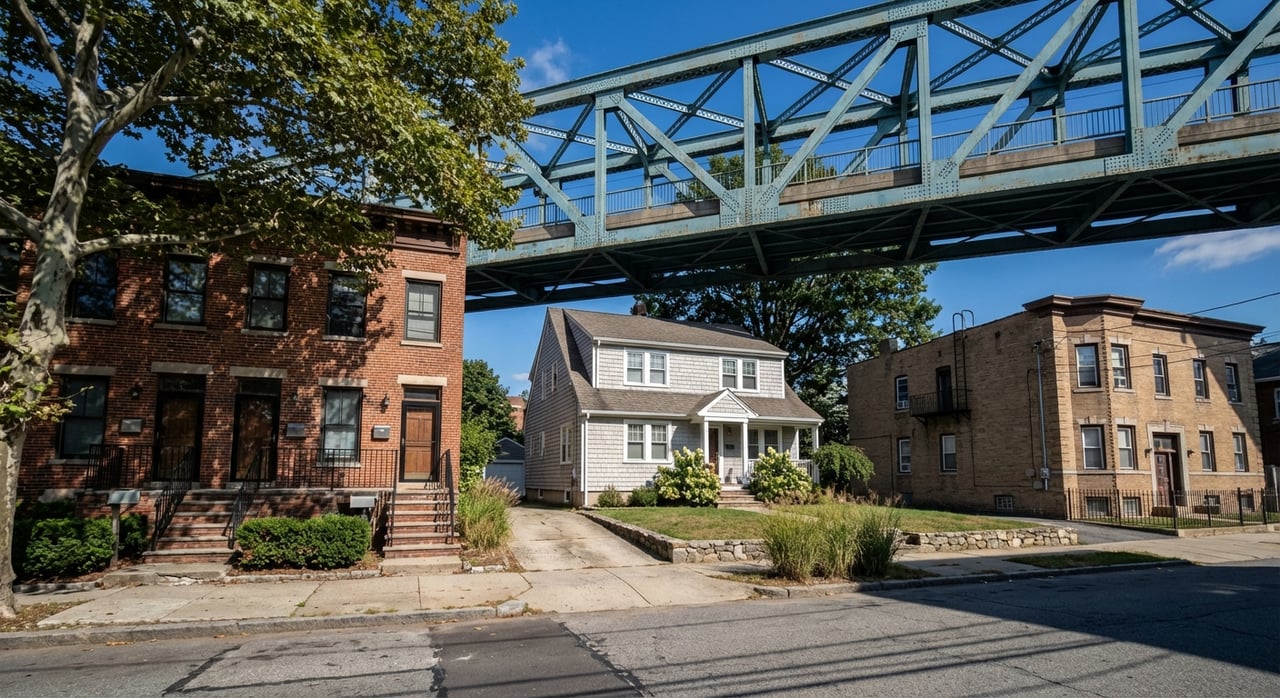
Is Brooklyn leaning toward buyers or sellers right now? If you are trying to time your move, it can feel confusing to sort headlines, neighborhood chatter, and open house buzz. You deserve clear, local guidance that helps you act with confidence and protects your bottom line. In this guide, you’ll learn how markets are defined, which signals matter most in Brooklyn, and what to do whether the balance favors buyers or sellers. Let’s dive in.
Buyer vs seller basics
A buyer’s market gives you, the buyer, more leverage because inventory sits longer and sellers negotiate more. A seller’s market favors owners because homes sell faster and often attract multiple offers.
Analysts often use a few core signals to tell the difference. According to the National Association of REALTORS®, months of supply is a key measure that helps classify market balance. Less than about 4 months is commonly viewed as a seller’s market, around 4 to 6 months as balanced, and more than 6 months as a buyer’s market. You can review how months of supply is defined in the NAR glossary of housing statistics for added context.
Other helpful signals include the sale-to-list price ratio and average days on market. When the average sale-to-list ratio rises above 100%, sellers usually have the edge; when it falls below roughly 98 to 99%, buyers often gain leverage. Short days on market signal seller advantage, while longer days on market suggest buyer advantage.
Key indicators to watch
Focus on a small set of numbers that tell a clear story:
- Inventory and new listings: More active listings mean more choice. Track whether new listings are rising or falling month over month and year over year.
- Months of supply: A fast way to measure market balance across neighborhoods and price points. It is calculated as active inventory divided by the monthly sales pace.
- Pending sales: A leading indicator of closings. Rising pendings often point to strengthening demand.
- Sale-to-list ratio: Shows whether buyers pay above or below asking. Pair this with days on market for a better read on urgency.
- Days on market (DOM): Faster sales usually mean stronger demand or sharper pricing. Slower sales can indicate buyer leverage or mispricing.
- Mortgage rates: Higher rates reduce purchasing power, which can cool bidding and increase concessions. You can track weekly averages on the Freddie Mac Primary Mortgage Market Survey.
- Price per square foot: In dense urban areas, per-square-foot trends help compare similar homes.
For definitions and methods behind months-of-supply and other metrics, see NAR’s glossary of housing statistics.
Brooklyn micro-markets
Borough-wide averages can hide big differences block to block. In Brooklyn, the balance often shifts by housing type and price band.
- Waterfront and amenity corridors: Areas like DUMBO, Brooklyn Heights, Williamsburg, and Greenpoint often show tighter supply and faster sales, especially for well-priced condos and new developments. New projects can add bursts of inventory.
- Park Slope, Carroll Gardens, Cobble Hill: Renovated brownstones and townhomes in prime locations draw steady demand. Inventory can be tight, and top-condition homes may sell quickly.
- Bed-Stuy, Prospect-Lefferts Gardens, Flatbush: Results vary widely by block, condition, and proximity to transit. Renovated homes and those near key subway lines often move faster.
- Southern and eastern Brooklyn: Parts of Canarsie, East New York, and Brownsville may have longer days on market at certain price points. Watch for local improvements and rezoning that can change demand over time.
Across the borough, distance to frequent transit, park access, retail corridors, and any nearby new construction pipeline can meaningfully shift demand.
Co-op, condo, and house differences
Brooklyn inventory spans co-ops, condos, and 1–3 family homes, and each behaves differently.
- Co-ops: Expect board applications and approval, stricter financial reviews, and sometimes longer timelines. Sellers value strong buyer financials and clear pre-approvals.
- Condos: Closings are usually more straightforward and investor-friendly. New developments can offer incentives and flexible timelines.
- 1–3 family homes: Inspections and renovation planning matter. These homes can vary widely in condition, and costs can swing based on building systems and age.
Typical NYC practice includes attorney representation for both sides, and co-ops may involve flip taxes or other building-specific fees.
Buyer strategy in seller’s markets
If your target area shows low months of supply, above-ask sale-to-list ratios, and quick DOM, plan to compete.
- Prepare fully: Get a strong lender pre-approval and proof of funds before touring. For co-ops, assemble your financials and references early.
- Move quickly: Tour as soon as homes list and be ready to submit a clean, timely offer.
- Be strategic on contingencies: Some buyers consider escalation clauses or tighter inspection windows. Weigh risk carefully and avoid waiving essential protections without expert guidance.
- Target micro-advantages: Homes closest to express subway lines or parks often draw more bids. Expand your search a few blocks to find value with similar benefits.
Buyer strategy in buyer’s markets
If months of supply is higher, DOM is lengthening, and sale-to-list ratios are soft, you often have more leverage.
- Negotiate from data: Use recent price reductions, longer DOM, and comparable sales to support your offer.
- Ask for concessions: Request credits for repairs or closing costs when the listing has been on the market for a while.
- Keep protections: Maintain inspection and financing contingencies, and consider longer inspection periods when needed.
- Shop across types: Compare co-ops and condos to see where supply is deeper and terms are friendlier.
Seller strategy in any market
You cannot control the market, but you can control price, presentation, and access.
- Price for your pocket: Set list price based on nearby, recent sales of similar homes and the current sale-to-list and DOM trends for your segment.
- Stage and showcase: Strong photos, light cosmetic updates, and a clear showing plan can lift your result. In tight-supply pockets, premium presentation can capture above-list outcomes.
- Match the moment: In hotter zones, a focused launch with weekend opens can create urgency. In softer pockets, consider buyer credits, flexible closing dates, or repair allowances.
- Prep for co-op buyers: If you are selling a co-op, have building documents ready to help buyers move through board review smoothly.
Plan with trusted local data
Pair broad market signals with neighborhood specifics. Verify closed-sale comps on the NYC Department of Finance’s property records portal, also known as ACRIS, through the NYC DOF property records page. Complement that with neighborhood-level trend reports from well-known market trackers to see months of supply, sale-to-list ratios, and days on market by price band.
Track your exact segment, such as two-family homes in Sunset Park or condos around Brooklyn Heights. Looking at the right slice avoids mixed signals from borough-wide stats.
Timelines and closing costs in NYC
Expect attorney review and building-specific steps to shape your timeline. Condo closings commonly take 30 to 60 days from contract, while co-ops often take longer due to board approval. Some buildings have flip taxes that may be negotiated.
For closing costs, remember that New York State’s mansion tax applies at or above certain price thresholds. NYC and State transfer taxes also apply to most sales. For official guidance on transfer taxes and filing details, review the NYC Department of Finance property transfer page and consult your attorney or title team for current rates.
Ready to read your block’s market?
Whether you are eyeing a Park Slope brownstone, a Sunset Park two-family, or a Williamsburg condo, you deserve a plan tailored to your exact micro-market. If you want help interpreting months of supply, pricing the next move, or prepping a co-op package, let’s talk. Connect with Lolita Andrade for a free home valuation or to schedule a no-pressure consultation. Hablo español.
FAQs
How do I tell if my Brooklyn block is a seller’s market?
- Look for low months of supply, quick days on market, and recent sales closing near or above list price; verify nearby closed transactions on the NYC DOF property records portal.
Should I waive inspections to win a Brooklyn home?
- Only after careful counseling; consider limited-scope inspections or repair credits instead so you reduce risk while staying competitive.
What is different about buying a Brooklyn co-op vs a condo?
- Co-ops require board applications and approval with stricter financial reviews and often longer timelines, while condos usually offer more straightforward closings and investor flexibility.
How do mortgage rates affect competition in Brooklyn?
- Higher rates reduce purchasing power, which can cool bidding and increase concessions; track weekly averages on the Freddie Mac PMMS to understand affordability shifts.
Where can I find official closed-sale records for Brooklyn?
- Use the NYC Department of Finance’s property records search to confirm recorded sales, then pair that with current neighborhood trend reports to read today’s market balance.